Business video, made by hand for years. Then built into a machine.
Hyperframe came out of years spent making video for large organisations by hand, one project at a time. The part of that work that kept repeating is now the product.
Built on years of enterprise work.
Hyperframe comes out of more than a decade of designing and building digital products for big, complicated organisations. That work taught what large organisations actually need: brand systems that will not bend, sign-off that runs through many hands, and a hard line between a video that looks right and one an enterprise will approve.
It started with an open brief.
A multinational accounting firm the team had known for years wanted a more engaging way to run pitches, and the brief was loose enough to be dangerous. The first version was a hack: animated, branching scenes built as Figma prototypes and clicked through live in the room. It worked, so the hack became a habit, and the habit became a queue of requests from across the firm.
Nobody paid for the software to exist. When a year-long engagement went well, the profit from it paid for building the real thing. Version one was an internal tool. Version two added sharing and analytics. Version three is the AI product on this site.
- Figma hack
- v1, internal tool
- v2, sharing and analytics
- v3, AI-powered
- Explainer videos
The part that repeated became the product.
That engagement produced nearly forty videos in twelve months, better than one a fortnight, at a fraction of what traditional production would have cost. Reuse did the work. Every video drew on a growing library of assets in the firm’s own brand, so each one started ahead, and AI was already handling storyboards and scripts in the background. Eventually the question asked itself. If the assets live in a library and the structure is the repeatable part, why is a person still doing the assembly?
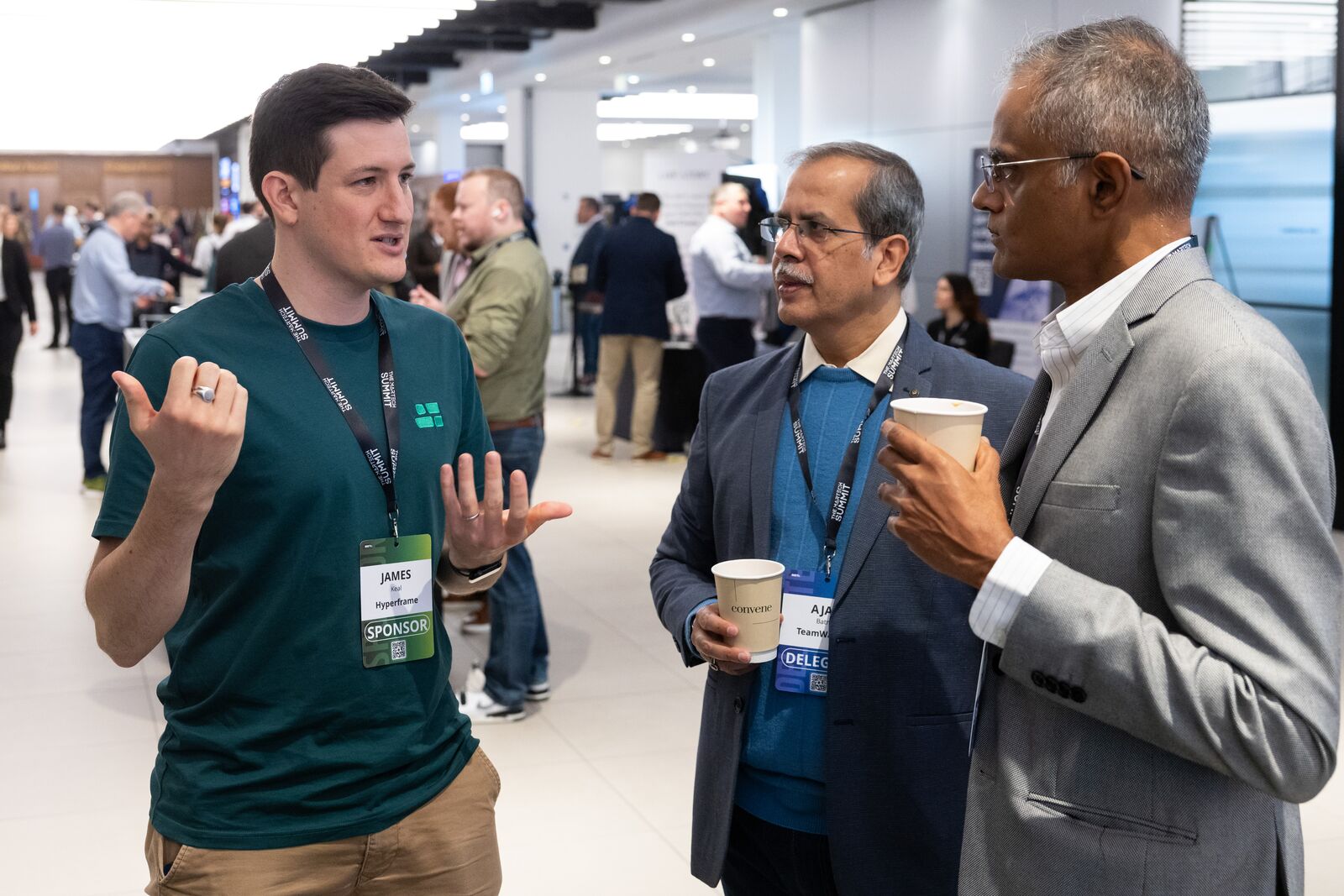
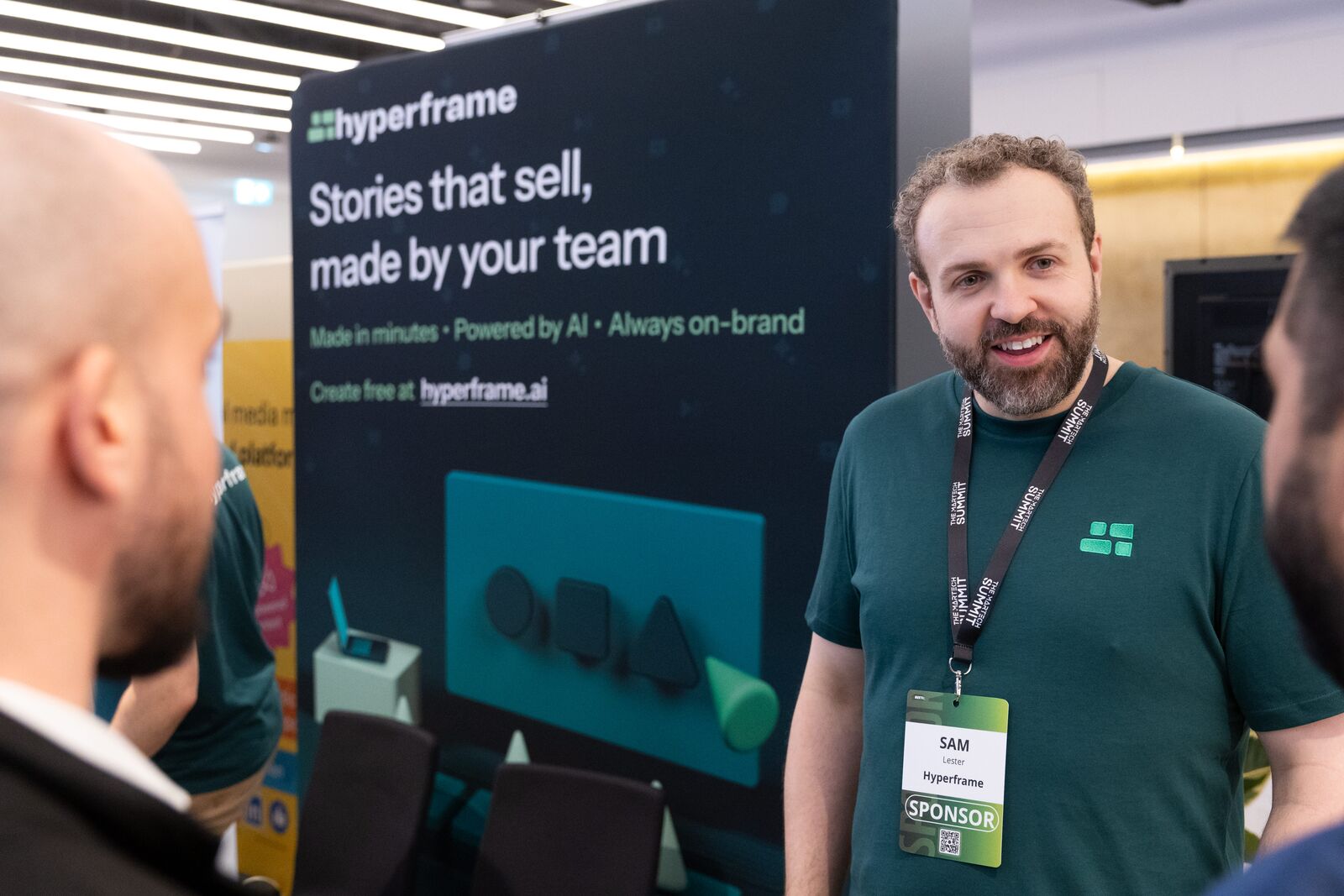
That question became Hyperframe. We’d been showing it to clients since March 2024. The AI version launched at The MarTech Summit in London in November 2025. Watching people understand explainers on sight, then suggest uses nobody had planned for, moved the front door from interactive video to explainers.
Some things we’ve written.
The Insights section is where we argue in public: every claim traced to a named source, including the arguments that cut against our own category.
Made for the Schedule, Watched by Nobody
 Sam Lester
The Leak Is Already Inside the Building
Sam Lester
The Trust Test a Synthetic Presenter Can't Pass
Sam Lester
Everyone Agreed It Was Useful. Nobody Bought It.
 James Keal